News & Resources

From the PLUMS Blog

Practical guidance for learners, employers and careers professionals on hair apprenticeships, industry trends and the UK salon sector.

All Articles Learner Guidance Employer Guide Industry Insight

What to Expect in Your First Month as a Hair Apprentice

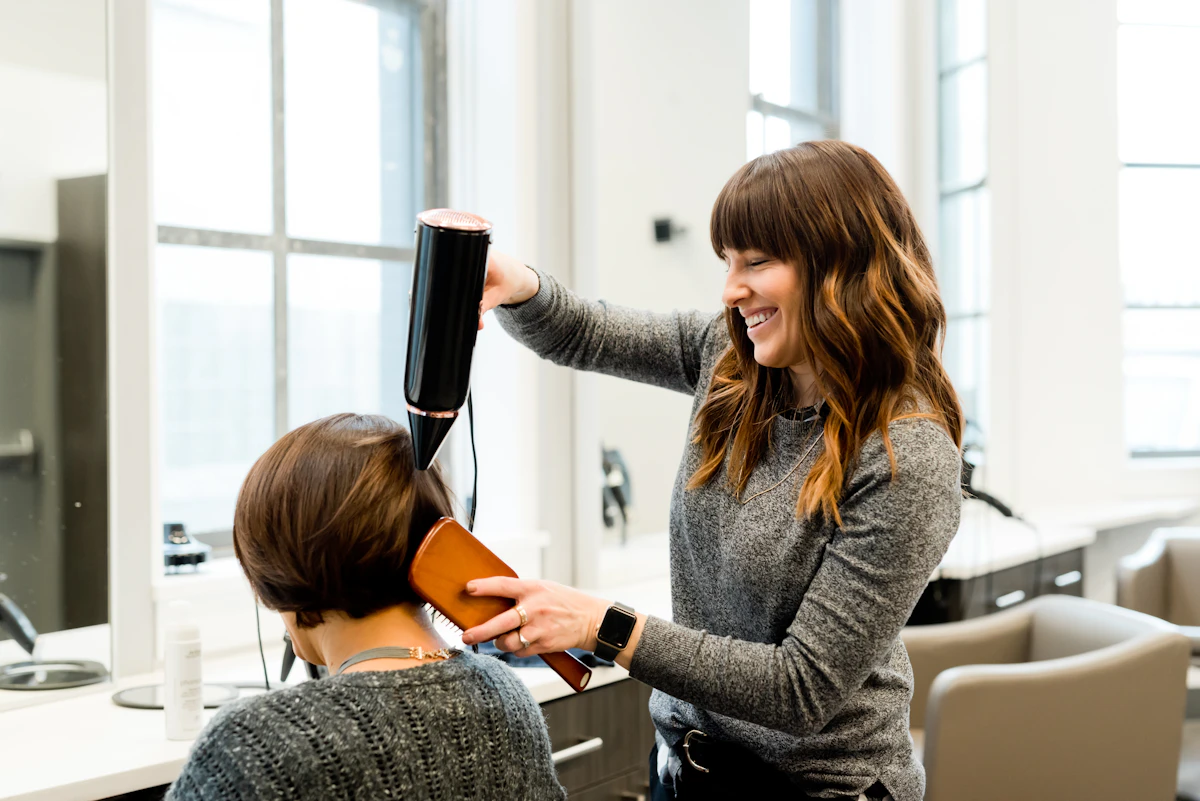
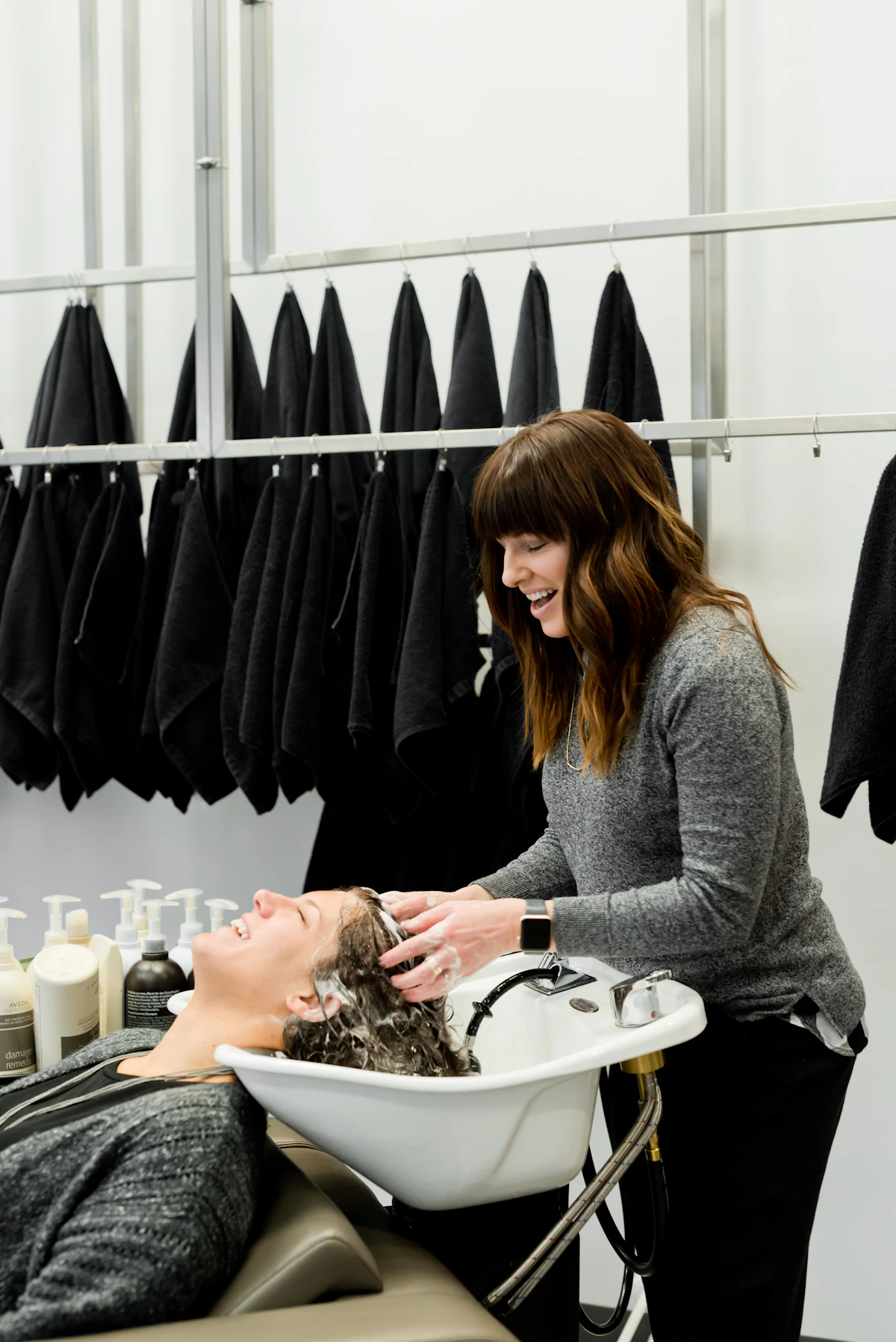
Apprentice stylist working in a salon

Starting a hair apprenticeship is exciting — but it can also feel overwhelming. In your first month, you are adjusting to a new employer, meeting your Skills Coach for the first time, signing a formal learning agreement and beginning to navigate a completely new environment. This article walks you through exactly what to expect so you can hit the ground running.

Week 1 — Induction and expectations

Your first week is primarily about orientation. You will complete your PLUMS Limited learner induction, which covers your Individual Learning Plan, safeguarding, health and safety, the off-the-job training requirements and how your portfolio works. You will also be introduced to our online learning platform, where all your modules, resources and submission tools live.

Do not expect to be doing complex technical work in the first week. Salons know you are new, and most will ease you in with observational activities, assisting with shampoo and conditioning services, and learning the products. This is time well spent — absorbing how the salon operates is a genuine part of your learning.

Your first Skills Coach visit

Your Skills Coach will visit you in the salon within the first four weeks. This is not an assessment — it is a getting-to-know-you session. We want to understand how you learn, what you are finding challenging, what you are enjoying, and how the employer is supporting you. We will agree your first set of learning targets and set the expectation for how reviews will work going forward.

Tip: Before your first review, write down three things you have observed or tried in the salon, and one thing you found confusing or want to understand better. This gives the conversation a natural starting point and shows your coach you are engaged.

Off-the-job hours — what counts

You are required to complete at least 6 hours of off-the-job (OTJ) training per week within your paid working hours. In your first month, OTJ activities will include your induction sessions, any workshops we schedule, time spent on the online modules, and structured observation activities. All of these are logged in your portfolio. Your Skills Coach will help you understand what does and does not count as OTJ — it is a common area of confusion and there is no shame in asking.

What if things are not going well?

The most important thing you can do in your first month is communicate. If the salon environment is not what you expected, if you are struggling with workload, if there are personal circumstances affecting your ability to attend — tell your Skills Coach. Problems are almost always solvable at the early stage. They become significantly harder to resolve once several weeks of missed activity or poor communication have built up.

  • Contact your Skills Coach directly — their number is in your induction pack
  • Use the learner helpline if you need to talk to someone outside the team
  • Speak to your employer — most salon owners want their apprentice to succeed and will respond well to honest communication

The first month of an apprenticeship is one of the most important. Set good habits early — be punctual, be curious, log your hours, ask questions — and the rest of the programme will follow naturally.
Ready to start your apprenticeship?
We have places available on all three programmes. Apply in two minutes.
Apply Now

How the Apprenticeship Levy Works for Small Salons in 2025

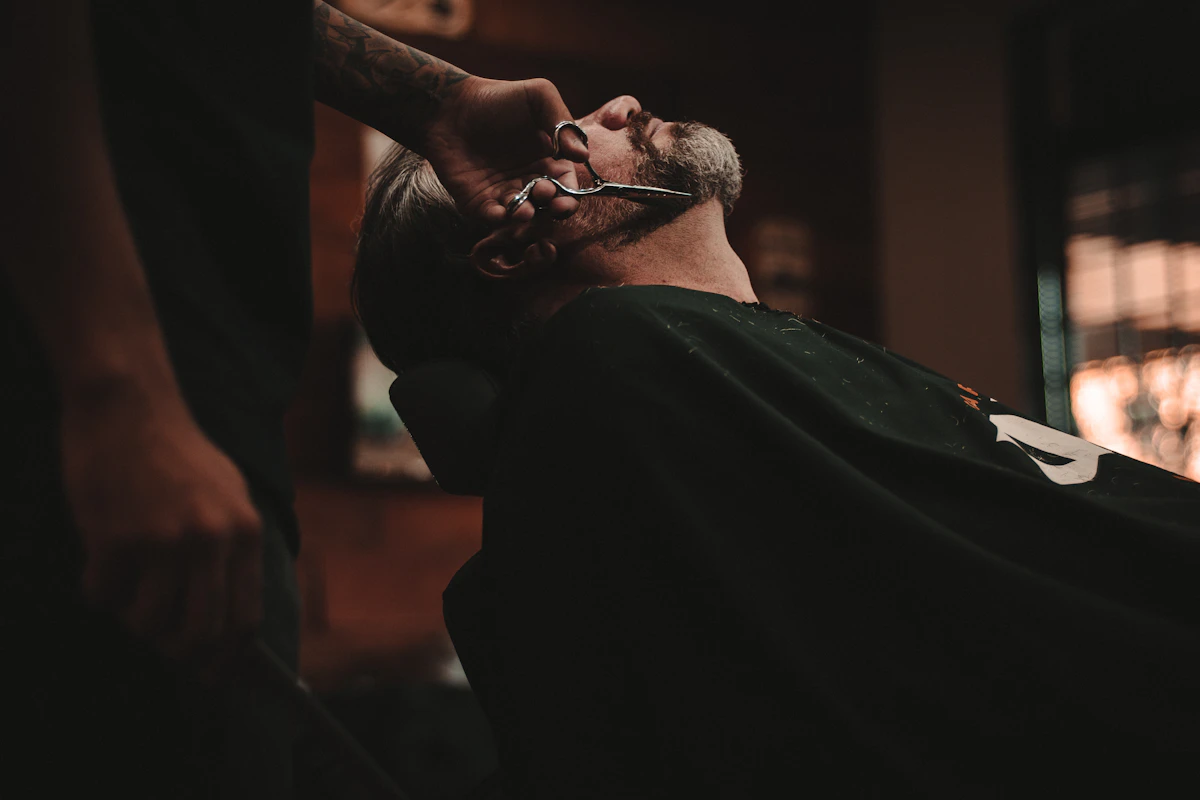
Modern barbershop interior

One of the most persistent myths about apprenticeships is that they are either free or they come with hidden costs that make them impractical for small businesses. Neither is completely true. Here is a straightforward explanation of how the funding works, what it costs a typical salon or barbershop, and what you get in return.

The levy — does it apply to you?

The Apprenticeship Levy is paid by employers with an annual pay bill of £3 million or more. In practice, this means large chains, hotel groups and hospitality businesses. The overwhelming majority of independent salons and barbershops have a pay bill well below this threshold and are classified as non-levy employers.

Key fact: If your annual pay bill is under £3 million — which covers virtually every independent salon and barbershop — you are a non-levy employer. The levy does not apply to you and you do not need to set up a digital apprenticeship account to use government funding.

What non-levy employers actually pay

Non-levy employers contribute 5% of the ESFA funding band value for each apprentice aged 19 or over. For our programmes, that looks like this:

  • Hair Professional (Level 2, ST0045): Funding band £6,000 — employer pays £300 total over the programme
  • Advanced Creative Hair Professional (Level 3, ST0014): Funding band £9,000 — employer pays £450 total
  • Barbering Professional (Level 2, ST0043): Funding band £6,000 — employer pays £300 total

For apprentices aged 16–18, the government covers 100% of the training cost. The employer pays nothing towards tuition for this age group.

The £1,000 incentive payment

Employers who take on a new apprentice aged under 25 who was previously in care, or a new apprentice under 19, may be eligible for an incentive payment of up to £1,000. This is paid in two instalments — £500 at 90 days and £500 at completion. Eligibility is confirmed at enrolment. PLUMS Limited handles the notification to the ESFA on your behalf.

What the government funding covers — and what it does not

Government funding covers the cost of training and assessment only. It does not cover the apprentice's wages, uniform costs, tools, or any other employment costs. The apprentice is your employee and you set the terms of their employment, provided they meet the National Minimum Wage requirements for apprentices.

Is it worth it?

For a salon taking on a 17-year-old apprentice, the net cost of a full 18-month Hair Professional apprenticeship is £0 in training fees. In return, you have a member of staff developing their skills in your salon, contributing productively from week one, and receiving a nationally recognised qualification at the end. Based on our employer survey data, 89% of PLUMS Limited employer partners who have completed at least one programme cycle say they would take on another apprentice.

Ready to take on an apprentice?
We handle all the ESFA admin. Speak to our team today.
Partner With Us

Balayage, Barbering and Beyond: The Skills Driving Salon Demand in 2025

Advanced hair colouring technique in a salon

The UK hair industry is not a static sector. The skills that were premium five years ago have become standard; the techniques that were niche are now mainstream. Understanding which skills are in active demand — and training for them deliberately — makes a significant difference to a qualifying apprentice's employment prospects and earning potential.

Colour is still king

Advanced colour techniques — balayage, lived-in colour, colour melting, foilyage — have generated consistent year-on-year growth in client demand since 2018. The NHF's most recent employer survey found that 74% of salons reported clients specifically requesting balayage, compared to 48% three years earlier. Yet the supply of stylists who can execute high-end colour with confidence remains limited.

For learners completing the Level 3 Advanced Creative Hair Professional pathway, this represents a genuine career advantage. Senior colourists in independent London salons currently command day rates of £250–£500 for balayage services. Outside London, rates are lower but the demand-supply gap is arguably larger.

For employers: If your salon offers colour services and you are struggling to find experienced colourists, an Advanced Creative Hair apprentice — trained in your salon, to your standards — is frequently a more cost-effective solution than recruiting externally.

The barbering boom

Barbering apprenticeship starts increased by 23% between 2021 and 2023, according to ESFA data. This growth reflects a sustained rise in demand for barbershop services driven by evolving male grooming habits, the popularity of premium barbershops, and a younger generation of male clients who visit a barber three to four times more frequently than previous generations did.

The skills most in demand within barbering are precision skin fades, textured hair cutting and beard grooming. Traditional wet shaving — previously in decline — has seen a notable revival, particularly in premium and heritage barbershops. Our Level 2 Barbering pathway (ST0043) covers all of these.

Afro and textured hair

One of the most significant shifts in the UK hair sector over the past decade is the mainstream recognition that textured and Afro hair has historically been underserved. Salons that develop genuine competency in textured hair — beyond basic braiding — are capturing an expanding market segment. The VTCT Level 3 in Afro Hair is a growing progression route for Level 2 graduates who want to specialise.

What this means for learners choosing a pathway

  • If you want to specialise in colour, prioritise the Level 3 pathway — Level 2 alone is not sufficient for complex colour work
  • If you are drawn to barbering, start the Level 2 and plan for progression — the sector rewards specialists
  • Whichever pathway you take, develop your client communication skills deliberately — they are what differentiate a good technician from a successful stylist
  • Consider where you want to work geographically — urban and suburban markets have different demand profiles and different earning potential

The hair sector will always need people who can cut, colour and shape hair well. But the practitioners who thrive over a career are those who remain curious, keep learning, and understand their market. An apprenticeship is where that mindset starts.

Explore our programmes
Three pathways, all government-funded, all leading to Ofqual-regulated qualifications.
View Courses